10 Beste Macbooks
Von führenden Marken und Bestsellern, die im Internet erhältlich sind.Durch Klicken auf einen Link zur Website eines Dritten werden Protokolldaten an diesen Dritten weitergegeben
45.000 bewertungen analysiert
#1
Beste Wahl
#2
Preis-Leistungs-Verhältnis
Versand aus regionalen Lagern von Amazon Deutschland
#3
#4
#5
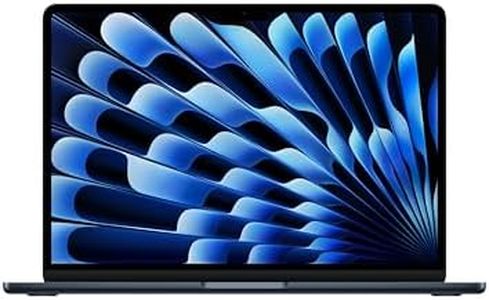
#6
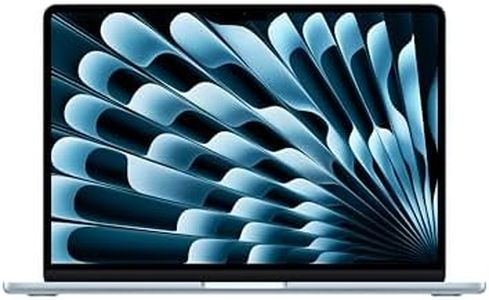
#7
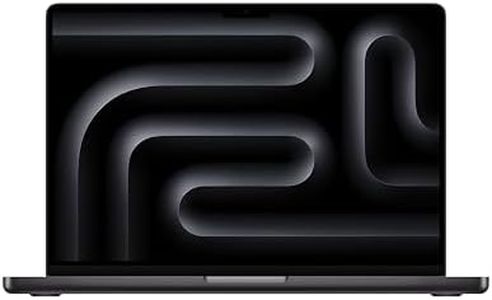
#8
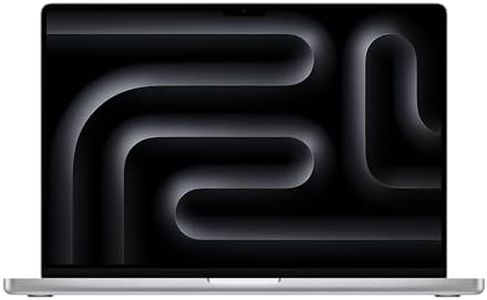
#9
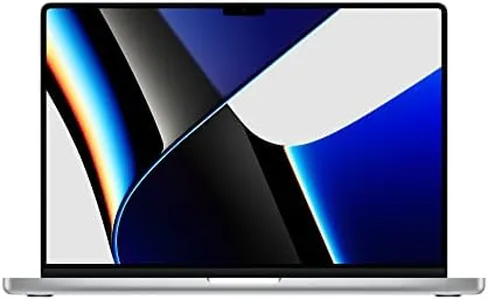
#10
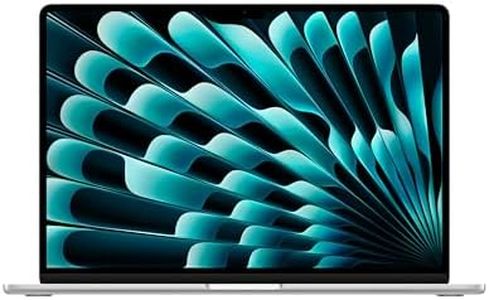
Weitere tolle Empfehlungen für Sie
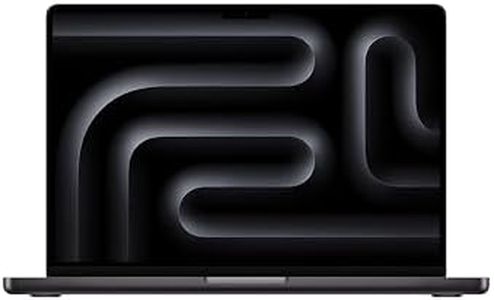
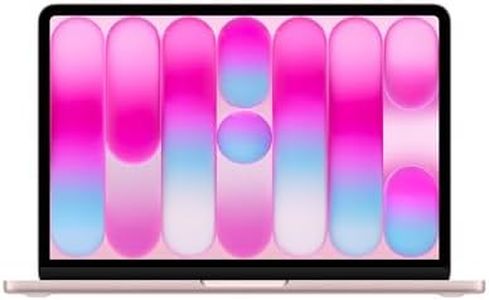
Unsere Top-Auswahl
Top-Auswahl vergleichen
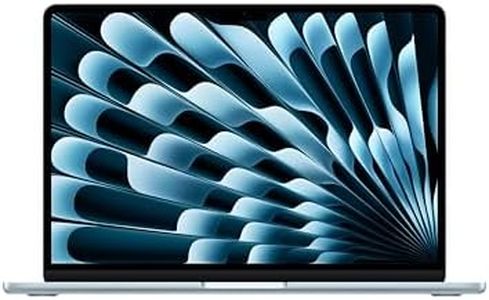
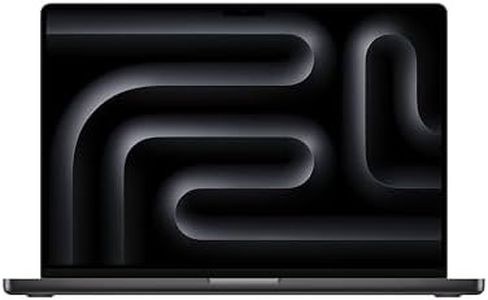
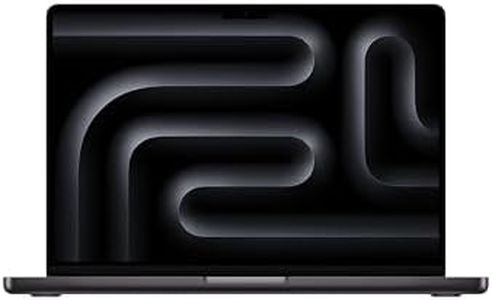
Apple 13" MacBook Air Laptop, M5 Chip mit 10‑Core CPU und 8‑Core GPU: Entwickelt für KI, 13,6" Liquid Retina Display, 16 GB gemeinsamer Arbeitsspeicher, 512 GB SSD, Touch ID, WLAN 7; Himmelblau Auf Amazon ansehen | Apple MacBook Pro Laptop mit M5 Pro Chip mit 18-Core CPU und 20-Core GPU: Entwickelt für KI, 16,2" Liquid Retina XDR Display, 24 GB gemeinsamer Arbeitsspeicher, 1 TB SSD, WLAN 7; Space Schwarz Auf Amazon ansehen | Apple MacBook Pro Laptop mit M5 Pro Chip mit 15-Core CPU und 16-Core GPU: Entwickelt für KI, 14,2" Liquid Retina XDR Display, 24 GB gemeinsamer Arbeitsspeicher, 1 TB SSD, WLAN 7; Space Schwarz Auf Amazon ansehen |
|---|---|---|
| Angebot | ||
18%billiger | 15%billiger | 16%billiger |
| Ausgewählt von | ||
| 1.452 | 1.350 | 1.248 |
| Mehrere Stile verfügbar | ||
Einkaufsleitfaden für die besten Macbooks
Choosing the right MacBook is all about matching the laptop’s features to your typical daily needs. Start by thinking about how you plan to use your MacBook: will it be for work, for creative projects, for general browsing, or something else? Think about where you'll use it most – at home, on the go, or at school. Understand that every key feature has a big effect on performance and experience, so learning about each one will help you make a decision that best fits your lifestyle.Display SizeThe display size on a MacBook determines how large the screen is. This spec is important because it affects how portable the laptop is and how comfortable it is to use for tasks such as typing, watching videos, or editing photos. Smaller display sizes usually mean lighter and easier-to-carry devices, ideal for travel or commuting. Larger displays are better for people who need more screen real estate for creative work or multitasking, but the laptop will be heavier. Think about where and how long you'll use your MacBook each day – if you often travel or work in small spaces, a smaller size makes sense. If you mostly work at a desk and need to see more detail, a larger size will suit you better.
Processor (CPU)The processor is the 'brain' of your MacBook, handling everything from opening apps to running complex tasks. The importance of CPU lies in speed and ability to handle multiple or demanding apps smoothly. Processors are often divided into high-efficiency and high-performance segments. High-efficiency CPUs are good for basic web browsing, document editing, and watching entertainment. High-performance processors are best for those who do heavier work like video editing, software development, or running many apps together. Consider your workload: if you expect simple daily use, a modest processor is fine, but if you want future-proofing or heavier use, look for a higher-end processor.
Memory (RAM)Memory, or RAM, helps your MacBook keep lots of applications and files open at once. More RAM makes your laptop better at multitasking and allows quicker switching between tasks. Standard RAM is suitable for browsing and word processing, but higher levels are better if you often keep many apps or browser tabs open, or work with large files like photos or videos. Divide your needs: for casual or simple use, a standard amount is enough; for regular use of demanding programs, go for more RAM.
StorageStorage is the amount of space your MacBook has for files, apps, photos, and videos. This spec is crucial because it limits how much you can keep on your laptop before needing to delete files or use external drives. Entry-level storage is fine for web users or if you mainly save documents online; more substantial storage is better for anyone with lots of photos, videos, or big programs. Always think about your habits: if you like keeping everything on your laptop, pick a bigger storage option.
Battery LifeBattery life tells you how long your MacBook can run before it needs to be plugged in again. This is important if you'll use your laptop while commuting, in cafés, or anywhere you can't easily charge it. Short battery life might be fine if you're mostly at home or in the office, while long battery life is worth it if you're away from power often. Decide based on your usual day: if you're often away from outlets, a longer battery is a must.
Weight and PortabilityThe overall weight and thickness of a MacBook matter if you’ll be moving it around a lot. Lightweight and slim models are easy to carry in a backpack or bag, ideal for students or travelers. Heavier and thicker models might have bigger screens or more power, but aren’t as easy to take everywhere. Think about your daily routine: if mobility matters, prioritize lightness and size; if working in one place, this may be less important.
Ports and ConnectivityPorts allow you to connect accessories like external monitors, drives, or chargers. MacBooks range from having just a few USB-C ports to offering extras like HDMI or headphone jacks. This matters because it affects what devices and accessories you can use directly. If you use lots of gadgets or need special connections, look for models with more port variety, or be ready to use adapters.
Keyboard and TrackpadThe feel and layout of the keyboard and trackpad affect comfort during long hours of typing or navigating. Some users prefer deeper, more tactile keys, while others don’t mind shallower ones. The trackpad should be accurate and responsive if you don’t use a mouse. Try to test for comfort, or read user experiences. If you’ll be typing a lot, prioritize a pleasant keyboard.